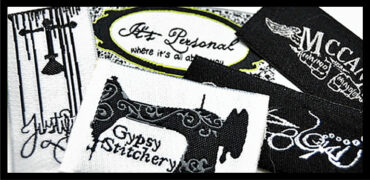
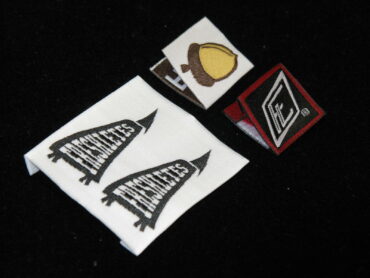
Understanding upholstery labels matters whether you manufacture, sell, or purchase upholstered furniture. Each label serves a specific legal, functional, or commercial purpose — and getting them right protects both your product and your customer.
The Law Label
The law label — commonly called the “Do Not Remove” tag — is mandatory for upholstered furniture sold in the U.S. It includes:
- The statement: “Do Not Remove Under Penalty of Law”
- Filling materials (foam, fiber, feathers, etc.)
- Manufacturer or importer information
- Registration number (required in some states)
This label ensures transparency about what’s inside the product and protects consumers from misrepresented materials. It is not optional.
Fabric Content Label
Required by FTC regulations, this label identifies the textile composition of the upholstery. It includes:
- Fiber content (polyester, cotton, blends, etc.)
- Country of origin
- Manufacturer name or RN number
For buyers, it sets expectations around durability and care. For manufacturers, it’s a compliance requirement.
Care and Cleaning Codes
Most upholstery labels include a standardized cleaning code:
- W — Water-based cleaning solutions
- S — Solvent-based cleaners only
- WS — Either water or solvent cleaners
- X — Vacuum only; no liquids
Using the wrong cleaning method can permanently damage the fabric. This is one of the most practically important labels on the product.
Product Identification
Some labels also include model numbers, SKUs, production batch codes, or manufacturer contact details. These support reorders, warranty claims, and internal tracking.
Flammability Compliance
Depending on your market — particularly California — your product may require a flammability disclosure such as TB117-2013. This is a market access requirement in regulated regions, not an optional add-on.
What a Complete Label Set Looks Like
A fully compliant upholstered product typically includes:
- Law label (required)
- Fabric content label (required)
- Care label (recommended)
- Brand label (for identity and perceived value)
Done correctly, labels prevent compliance issues, reduce customer complaints, and strengthen brand perception.
Common Labeling Mistakes
- Missing or incorrect material disclosures
- Wrong cleaning codes for the fabric type
- Labels that fade or become unreadable over time
- Poor placement or weak attachment method
A label that fails in the field costs more to fix than it would have cost to get right the first time.
Choosing the Right Label for Your Product
Upholstery applications require labels that can handle repeated contact, humidity, and cleaning cycles. The right format depends on your product, your production process, and your compliance requirements.
Start by confirming the required disclosures for your market, then match label material and attachment method to how the product will actually be used.
Request a quote to review your options — and order a Pre-Production Sample before committing to a production run.