Understanding the Importance of Custom PVC Patch Design Tips
Creating the perfect PVC patch for your brand requires more than just great artwork. Whether you’re a tactical or outdoor brand owner, a fashion designer, or managing a sports team, understanding the nuances of custom PVC patch design is crucial for durability, appearance, and overall impact. Attention to detail in areas like backing types, thickness, and color matching can make all the difference between a patch that stands out and one that fails to impress.
In this guide, we’ll explore key aspects of PVC patch design to help you create patches that meet your functional and aesthetic needs. From suitable backing options to choosing the right thickness and color harmony through Pantone matching, these expert tips will help elevate your patch designs.
Exploring PVC Patch Backing Options
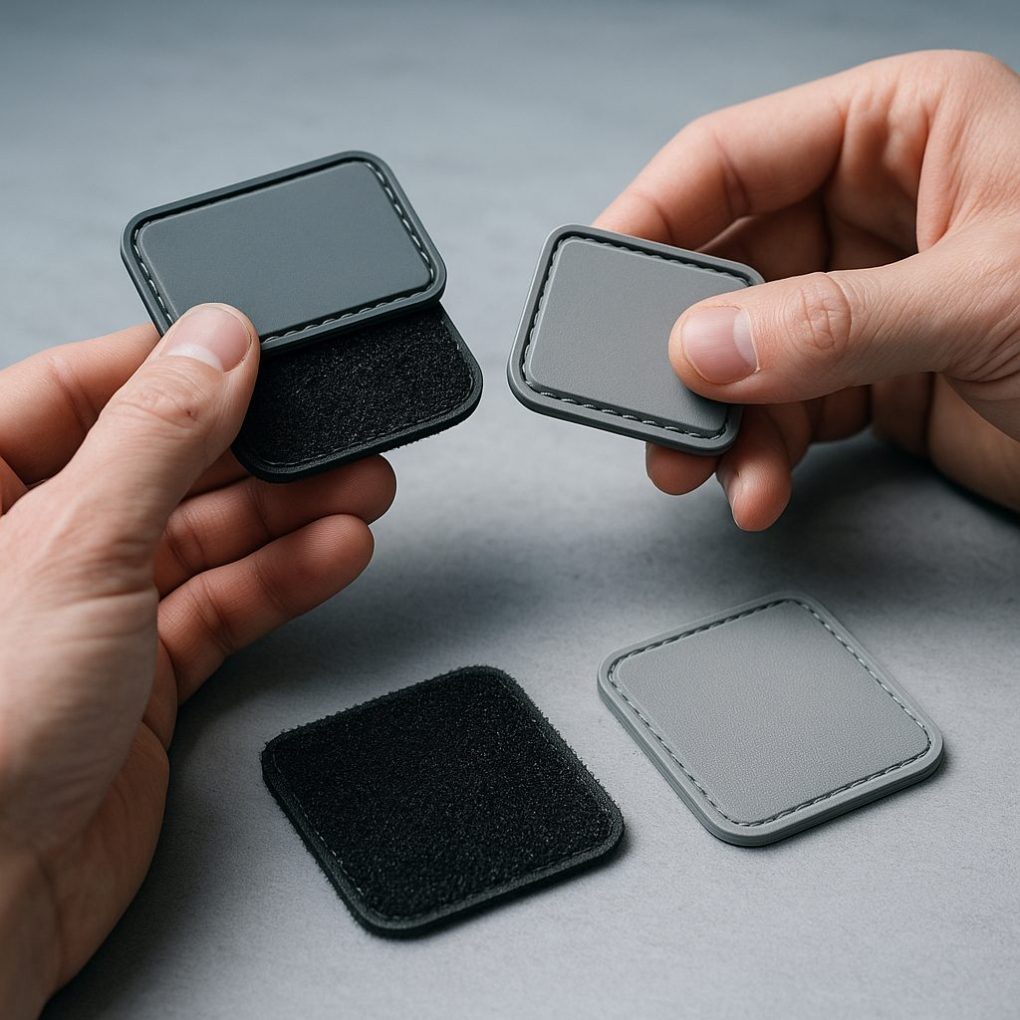
Choosing the right backing for your PVC patch is essential depending on its intended use. Some of the most popular backing options include hook and loop backing patches, sew-on PVC patches, adhesive backings, and backing without any attachment. Each offers distinct benefits:
- Hook and Loop Backing Patches: Ideal for tactical gear, these allow patches to be easily attached and removed without sewing.
- Sew-On PVC Patches: Provide a permanent, secure attachment perfect for uniforms and sportswear that endure washing and heavy use.
- Adhesive Backings: Suitable for quick application on flat surfaces but less durable for garments subjected to regular wear.
- No Backing: Sometimes patches are designed purely for display or custom attachment methods, offering maximum versatility.
Selecting the proper backing ensures your patch stays firmly in place while maintaining the look and function you expect.
Key Factors in PVC Patch Thickness Guide
The thickness of your PVC patch plays a significant role in its texture, flexibility, and durability. Most custom PVC patch designs range between 1.5mm and 5mm thick, based on use case requirements:
Thinner patches (around 1.5mm to 2.5mm) offer more flexibility and can seamlessly curve on softer fabrics like hats and jackets. Conversely, thicker patches (3mm and above) provide a solid, raised appearance and enhanced resistance to impact and wear, making them a favorite in tactical and outdoor applications.
Balancing thickness with comfort is key. If patches are intended for prolonged wear in active environments, aim for a thickness that withstands abrasion but doesn’t hinder movement or add excessive weight.
Mastering Color with Pantone Color Matching PVC and Design Choices
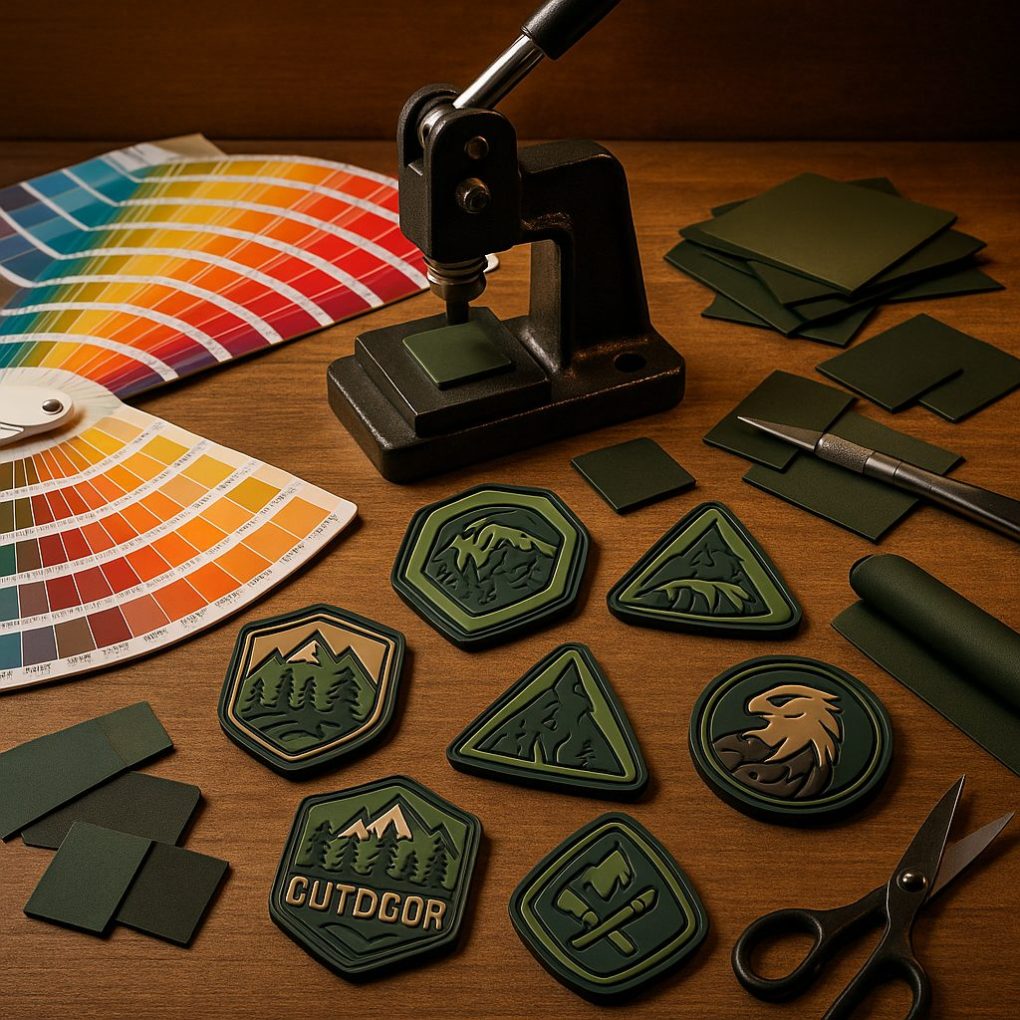
Color accuracy is critical for brand recognition and aesthetic appeal. Pantone color matching PVC patches ensure your brand colors are precisely reproduced every time, avoiding surprises in the final design. This process involves custom mixing and manufacturing to Pantone standards, guaranteeing consistency across multiple patches.
Another important consideration is deciding between 2D vs 3D PVC patches. 2D patches feature flat designs with vivid color fills, ideal for detailed logos and intricate artwork. Meanwhile, 3D PVC patches offer raised, textured designs that add depth and a dynamic tactile feel, perfect for tactical and outdoor gear where durability and dimensional impact matter most.
Both options benefit from Pantone color matching, but choosing between them hinges on your design goals and the patch’s end use.