
Clothing Label Sizes & Simple Design Guide
Not sure what size your clothing label should be, or how to design one that fits your brand? You’re in the right place. Clothing label size is one of the most common questions we get — and choosing the right width, height, and fold can make your label look clean, professional, and comfortable to wear.
This guide gives you two things:
- A clear clothing label size chart with the most common dimensions for neck tags, hem tags, and care labels
- A simple step-by-step design guide to help you choose materials, folds, colors, fonts, and layout
Whether you’re designing woven, printed, or satin labels, we make it easy. If you already have artwork, upload it anytime for free design help and a fast quote.

Why it matters
Small label, big impact—build brand identity & recognition
A thoughtful clothing label communicates quality, care, and consistency. It’s your signature on every garment.
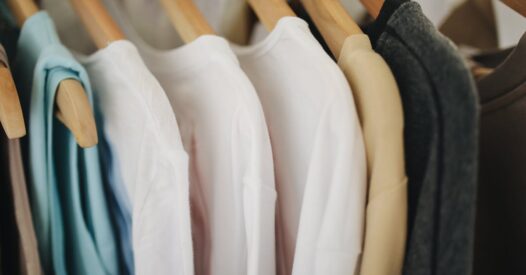
A clothing label may be small, but its impact is powerful. It communicates more than just a brand name—it reinforces brand recognition, helps customers connect with your story, and assures them of your product’s quality.
For independent designers and established brands alike, the right label is a silent ambassador. It reinforces professionalism while offering practical information like fabric care, country of origin, and sizing. When designed thoughtfully, labels build trust and help customers recognize your products instantly.
Clothing labels also influence how your products are perceived on the rack. Clean typography and bold colors suggest confidence. Subtle textures and muted tones signal sophistication. By investing time in clothing label design, you ensure that your brand’s values are communicated through even the smallest details.
And for brands focused on sustainability, your labels can highlight eco-friendly practices, recycled materials, or Made in USA production—reinforcing your brand identity while appealing to eco-conscious customers.
Choose your label type
Types of Clothing Labels
When it comes to labels for clothing, there’s no one-size-fits-all solution. Different materials and finishes serve different purposes.
Each type of label supports different custom clothing needs. Choosing the right option ensures your labels reflect both your design vision and your customers’ expectations.
Design principles
Before you create labels, nail the fundamentals
Designing effective custom clothing labels requires balancing creativity with practicality. A beautiful design won’t matter if it’s hard to read or doesn’t last after repeated washes.
Should You Fold Your Labels? Folds will provide with a smooth, clean edge that will not itch or scratch your customer, making it a little bit less likely for your labels to be removed.
Types of Folded Clothing Labels
While not all woven and printed labels have a fold, we can add any type of fold to your labels, at no extra cost.
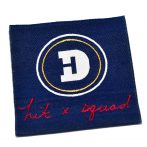
Straight cut
(Also called no-fold) straight cut labels are perfect if you are will sew the label all around, or on the sides.
Used mostly in neck labels, iron-on applications, handbags and accessories.
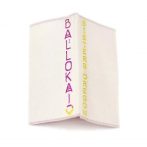
Center fold
Center fold labels will work great for items where the label will be sticking out:
-Flapping as a tab, either on the inside or the outside of your product.
-Logo labels attached to the neck of shirts: neck labels, care labels, hem tags and side labels.
They are also called loop folds.
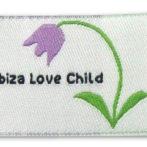
End fold
End fold labels are your best choice if you are sewing the label on the sides.
Used mostly in neck labels and pant labels. We recommend this whenever the label will be placed on the outer side of your product.
They work great for handmade items.
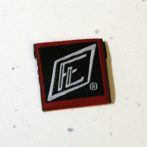
Manhattan fold
Manhattan fold labels work exceptionally well when you are attaching the labels in outside hems or sleeves. Used Mostly on sleeve tags and hem tags.
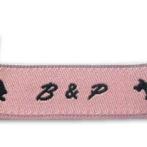
Miter Fold
A miter fold had two end folds at a 45 degree angle and then upward at a 90 degree angle creating a tab to be sewn into the seam of your product. If you take a look at the examples in our gallery page shown it should help illustrate.
Mitre fold labels are very common on neck labels, forms a sort of hook, which allows you to hang the product.
Need to Complete the Look?
Labels are just one part of telling your brand’s story. Pair them with custom hang tags to showcase your products on the shelf with style and clarity.
What’s the Best Size for Your Label?
When people ask, “What size should my clothing label be?” the real answer is: it depends where the label goes and how visible you want it to be. Below is a quick clothing label size chart with common starting sizes our customers use. You can tweak any of these to fit your brand.
| Label Use | Recommended Finished Size | Notes |
|---|---|---|
| Main neck label (T-shirts) | 2″ x 1″ (2″ x 2″ center-folded) | Classic size for most tees and hoodies; easy to read without feeling bulky. |
| Main label (dresses & pants) | 1.75″ x 0.375″ (2.25″ x 0.375″ with end folds) | Long, low-profile label that sits comfortably in waistbands. |
| Hem tag | 1″ x 1″ (1″ x 2″ folded) | Great for subtle logo placement on shirt hems, beanies or sleeves. |
| Furniture / large brand label | 2″ x 1″ or 2″ x 0.5″ | Works on cushions, blankets and soft goods where you have more space. |
| Care label – men’s clothing | 1.2″ x 0.9″ (1.2″ x 1.8″ center-folded) | Enough room for fiber content + care icons. |
| Care label – women’s clothing | 0.7″ x 1″ (0.7″ x 2″ center-folded) | More delicate size to match lighter garments. |
How to choose your clothing label size:
To Determine your Label Size
- Try with a ruler measure out the width (left to right) x height ( top to bottom).
- Take a piece of paper and sketch out measurements for your label.
- Measure labels on other products you like.
Font Choice & Legibility
Choosing the right font is key to making an identity for your brand. The right font causes instant recognition.
New businesses and competitors start every day, therefore you need to have a great logo.
When Choosing your Font Style…
- Bold and simple fonts are recommended, for greatest legibility
- Don’t add too many fonts. 2 font styles max
- Fonts are congruous with your business area of expertise
- Choose a font style that can grow with your business success
- Make sure your font fits the mood
The wrong font chosen can be confusing and even unrecognizable to other brands.
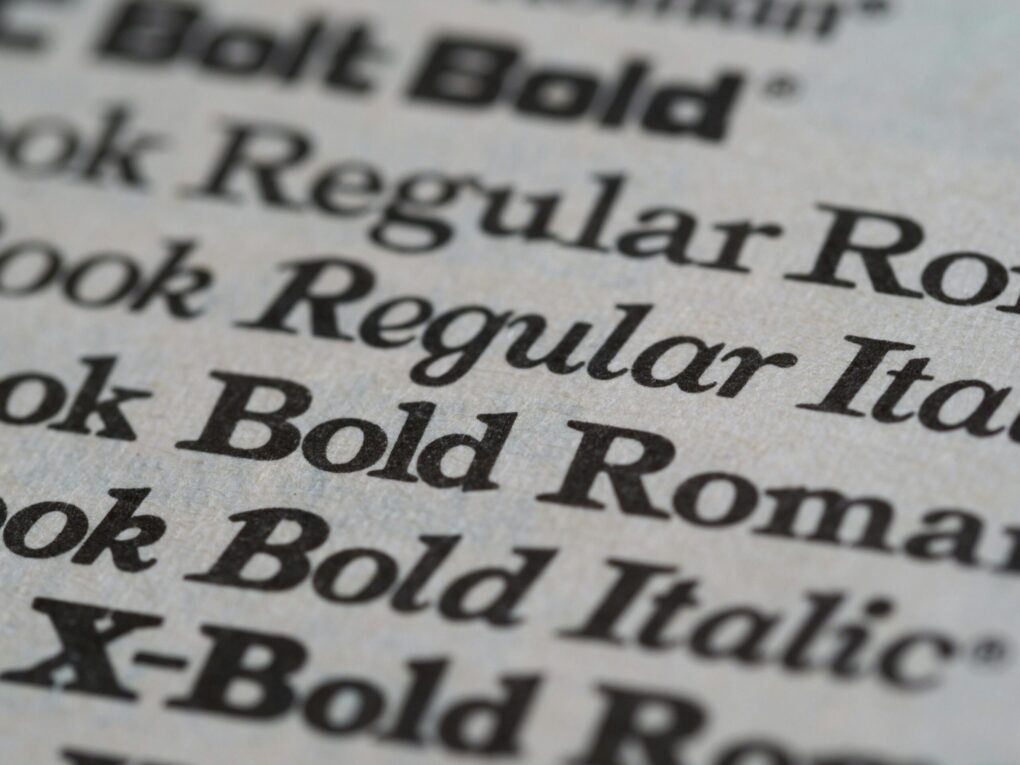
Fonts smaller than 10pt often become unreadable. Choose bold, clean styles for clarity. Thin or script fonts may look elegant but should be tested on your chosen material.
Color & Contrast
High-contrast designs (dark text on light fabric or vice versa) ensure your label is easy to read. Match your brand palette, but don’t sacrifice clarity.
Choosing The Right Colors for your Clothing Labels
Color evokes positive associations and an initial opinion of your brand.
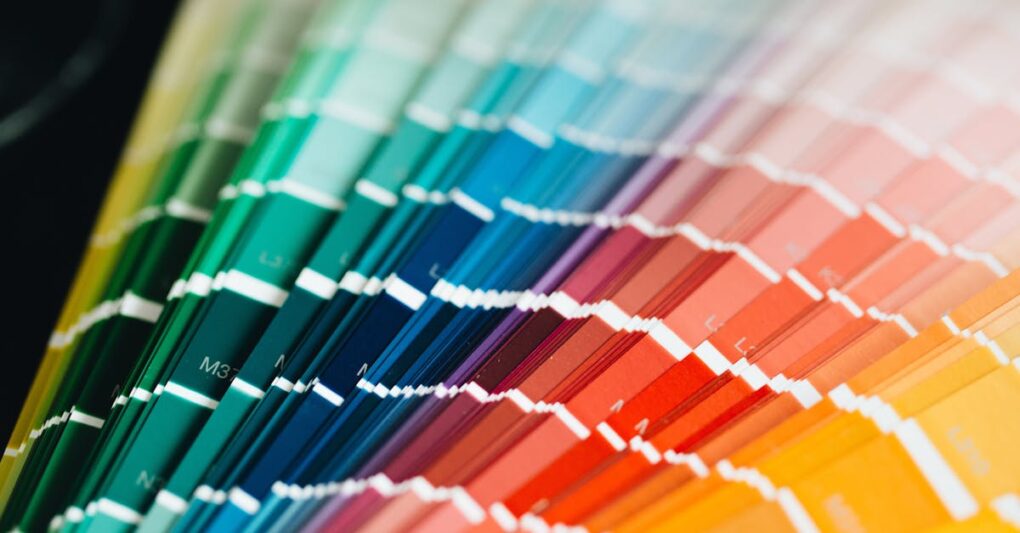
With a thread chart of over 200+ colors to choose from the decision can become overwhelming. To help us help you achieve the right color scheme we have posted our thread chart here to review colors and shades.
Keep in mind, colors can be subjective due to pixilation differences from computer to computer but lets you play in active role in guiding us into your design vision.
We are familiar with RGB, CMYK or PMS color charts to match our thread chart up to if you only have those colors to go by in art files. We will match as close as we can but cannot guarantee 100% match all the time.
Before you create custom labels, sketch variations that reflect both the garment style and your overall brand aesthetic. Think of your clothing labels not as an afterthought but as an extension of your entire design story.
How it works
Step‑by‑step: from idea to production
A clear process to design your own custom clothing labels with confidence.
Designing custom clothing labels may seem daunting, but when broken into steps, it becomes a smooth process—one that blends creativity with professional execution.
Inspiration
See clothing labels in the wild
A picture speaks louder than words, and nothing inspires better than seeing how others bring their ideas to life.
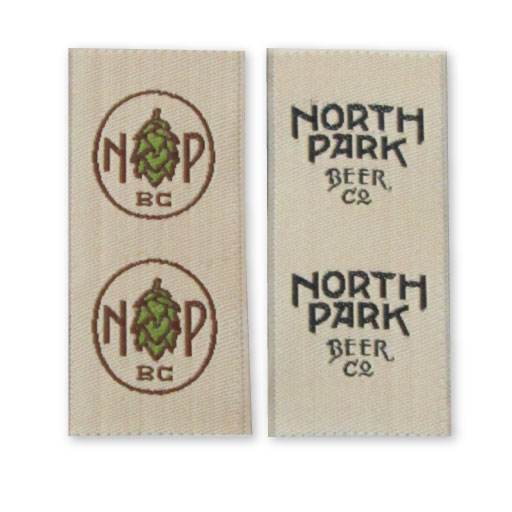
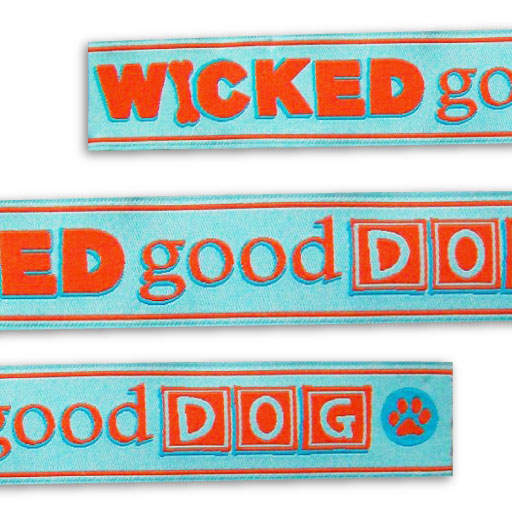
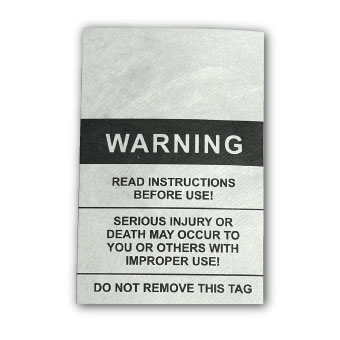
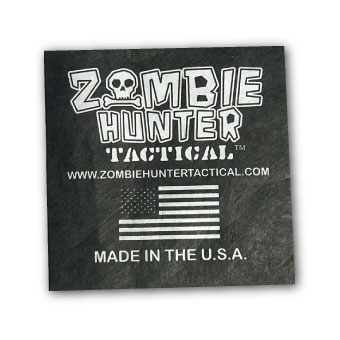
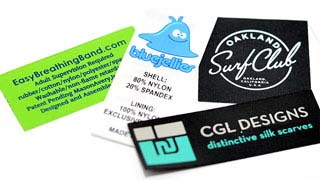
Here are some examples of personalized labels we’ve created:
- Bold woven logos that highlight brand strength.
- Delicate printed satin tags for lingerie and soft garments.
- Eco-friendly fabric tags crafted from organic cotton.
- Custom sewing tags for handmade collections.




Inspiration
Frequently Asked Questions
If you’re new to custom labels or refreshing your brand, start here.
Design & production questions, answered
Your label design journey doesn’t stop here. Once you’ve crafted your vision, the next step is to bring it to life with high-quality production.
At Sienna Pacific, we make it easy to turn your clothing label design into custom clothing labels you’ll be proud to attach to your garments.
Ready to bring your clothing label design to life?
Get premium production for custom clothing labels—woven, printed fabric labels, iron on labels, and more.
and start your order today!